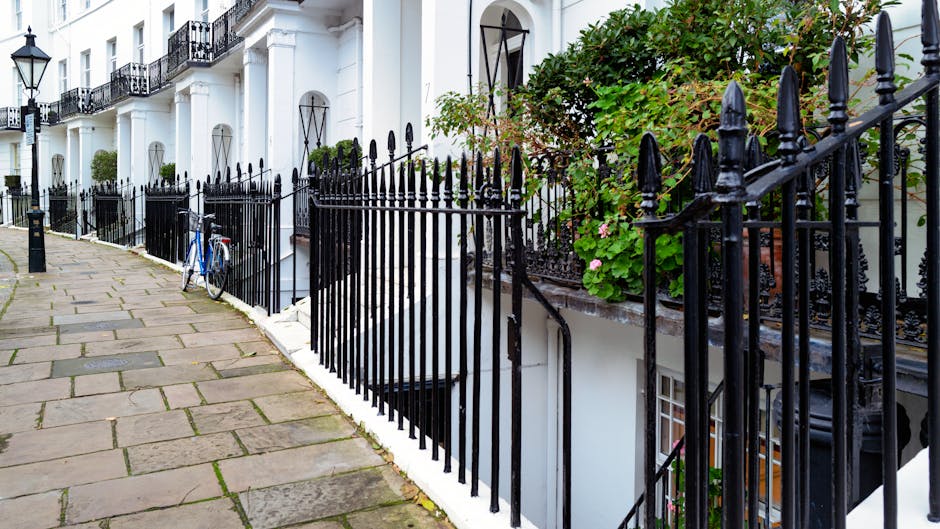
Brompton waste removal near South Kensington station
Posted on 16/07/2026
Brompton waste removal near South Kensington station: a practical guide to fast, compliant clearance
If you are dealing with unwanted furniture, broken appliances, bagged rubbish, or builders' debris, Brompton waste removal near South Kensington station can feel like a small job with a surprisingly big impact. Flats are tight, access can be awkward, and one overflowing hallway or back room quickly becomes a headache. The good news? With the right local waste collection approach, you can clear space without turning the day upside down.
This guide explains how the process works, what to expect in a busy South Kensington setting, how to choose the right service, and the mistakes that tend to trip people up. It also covers practical compliance points, the kinds of waste most commonly removed, and a few local realities that matter more than people think. Truth be told, rubbish removal is rarely glamorous. But done properly, it is one of those jobs that quietly makes everything else easier.
Why Brompton waste removal near South Kensington station Matters
Brompton sits in one of London's most densely used and tightly managed urban pockets. Near South Kensington station, you are dealing with resident access, loading limitations, shared entrances, and the usual city problem of "where on earth does this actually go?" That is why local waste removal is not just about getting rid of things. It is about moving waste in a way that works for the street, the building, and your schedule.
In this part of London, people often need clearance for very ordinary reasons: a tenancy change, a renovation, a shop refit, a new sofa that has finally arrived, or a clear-out before selling a flat. Those jobs can become awkward fast if waste is left in communal areas or if the disposal plan is vague. A good service should reduce friction, not add to it.
There is also the practical issue of what happens next. Reuse and recycling matter, and not just as a nice extra. The more you can sort waste correctly at source, the more likely it is that usable materials are handled responsibly. If that topic matters to you, the site's recycling and sustainability approach is worth understanding before you book anything.
One small but important point: local waste work near South Kensington is often about timing as much as lifting. A well-run clearance can avoid blocking a stairwell at 8:30 a.m. when neighbours are leaving, or during a delivery window when everyone is trying to squeeze through the same narrow entrance. Anyone who has tried to manoeuvre a wardrobe in a Brompton mews knows the feeling. Not fun.
Expert summary: In a busy central London area, the best waste removal service is the one that handles access, sorting, lifting, and disposal cleanly-without turning your building into a temporary skip zone.
How Brompton waste removal near South Kensington station Works
The process is usually straightforward, but the details matter. Most local waste collection jobs follow a similar pattern: you identify the items, agree access and timing, receive a price based on the load and labour involved, and then the team removes the waste and transports it to an appropriate disposal or recovery facility.
For household jobs, the common route is a general clearance or a focused collection for bulky items. If you only need bags, small clutter, and mixed household rubbish removed, a domestic waste collection in Brompton may be enough. If the issue is a sofa, table, or wardrobe, a more specific furniture removal service can be the better fit. For old cookers, fridges, washing machines, and similar items, appliance disposal is usually the sensible route.
Commercial clearances work in much the same way, although they tend to involve tighter scheduling and more careful handling of desks, chairs, archive material, packaging, or fit-out waste. A business may use commercial waste removal in Brompton when it needs a fast reset without disrupting clients or staff.
Builders' waste is different again. Dusty rubble, broken plasterboard, timber offcuts, old tiles, and mixed renovation debris all need the right handling. For that, builders waste disposal is the relevant option rather than a standard household pickup. Using the wrong service can waste time, and sometimes money too.
What you should expect on the day is a short assessment, a lifting and loading phase, and a final sweep-up of the area where practical. A good team should be clear about what is included and what is not. If they are vague at the start, that is usually a sign to ask more questions. You do not need drama with rubbish removal. You really don't.
Key Benefits and Practical Advantages
The most obvious benefit is space. Once the clutter is gone, rooms feel larger, lighter, and easier to use. But there are several other gains that matter just as much in real life.
- Speed: Local collections can often be arranged faster than piecing together council-led disposal or trying to do multiple tip runs yourself.
- Less lifting for you: No stair-carrying a heavy mattress down three flights in a period building, which is a relief for your back and your dignity.
- Cleaner communal areas: Waste moved promptly reduces complaints from neighbours and keeps hallways clear.
- Better recycling outcomes: A structured service is more likely to separate recyclable and reusable material properly.
- Lower stress during moves and refurbishments: One fewer job on the list can make a hectic week feel manageable again.
There is also a quiet commercial benefit for landlords, sellers, and agents. Properties that are empty, tidy, and easy to view tend to present better. If you are preparing a flat for sale or lease, a clear-out can be a small but effective part of the process. For property owners, the articles on smart property buying strategies in Brompton and selling property in Brompton give useful background on why presentation matters.
And yes, it can save time in annoying little ways too. No more moving piles from the bedroom to the living room and then back again. Everyone has done that "temporary" shuffle. It never stays temporary.
Who This Is For and When It Makes Sense
Brompton waste removal near South Kensington station is useful for a wide range of people, not just those with a full house to clear. In practice, it makes sense any time waste is bulky, awkward, time-sensitive, or too much for standard bins.
Common users include:
- tenants clearing out before a move
- landlords preparing a flat between lets
- homeowners renovating kitchens, bathrooms, or reception rooms
- office managers removing old desks, monitors, and filing furniture
- shopkeepers or hospitality operators dealing with packaging, display items, or refit debris
- people dealing with probate, loft clearance, or inherited items
For a full-property clear-out, a house clearance in Brompton is often the most practical option. If the problem is the attic, loft, or storage area rather than the whole home, a loft clearance service can be more appropriate. Office users may find office clearance the best match when moving, downsizing, or replacing workstations.
It can also make sense after events. A venue near South Kensington or a private function in Brompton can leave behind a lot more than expected: bottles, packaging, decorations, broken props, mixed waste, and the sort of random bits that somehow multiply after midnight. If you have ever cleaned up after a party, you know what I mean. One minute it looks festive; the next, it looks like a very tired storage room.
For everyday waste that simply has no easy route out, a general rubbish collection in Brompton may be enough. If you are not sure where your job fits, start with the bigger picture on services overview and narrow it down from there.
Step-by-Step Guidance
If you want the cleanest outcome with the fewest surprises, follow a simple process. It does not have to be complicated.
- Sort the items first. Separate furniture, electronics, bagged rubbish, recycling, and anything hazardous or unusual. This makes pricing and loading clearer.
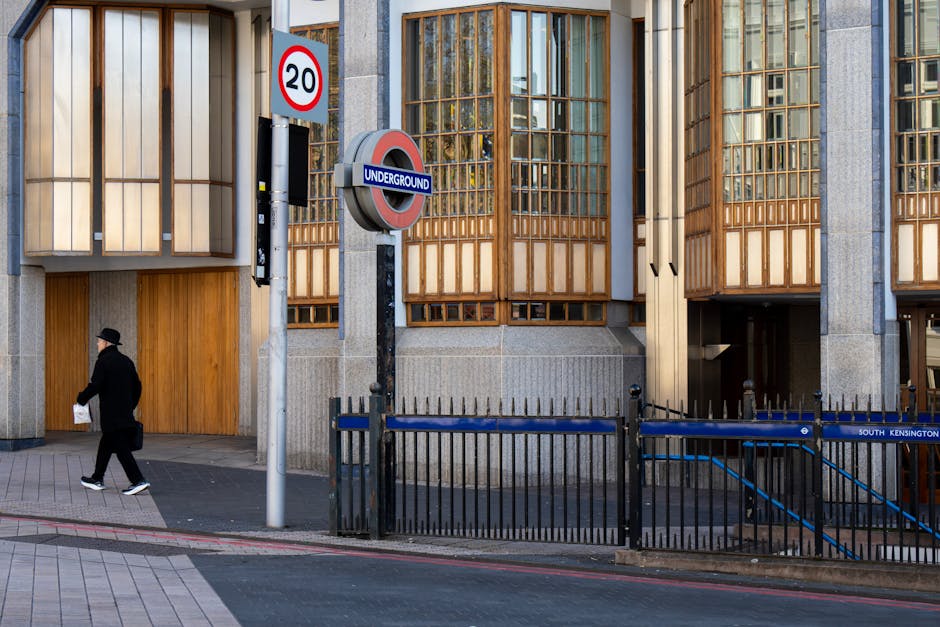
- Check access. Think about stairs, lift access, parking restrictions, and whether the team can get close enough to the property. Near South Kensington station, access is often the real issue.
- Photograph the waste. A few clear pictures usually help the provider estimate the job more accurately. One quick photo can save a lot of back-and-forth.
- Ask what is included. Labour, loading, sweep-up, and disposal should be clear before the job begins.
- Confirm timing. Choose a slot that avoids peak building traffic, deliveries, or neighbour disruption.
- Prepare the area. Move small personal items out of the way so the team can work quickly and safely.
- Request confirmation of responsible disposal. You want to know the waste is handled properly, not simply whisked away.
If you are dealing with urgent waste, same-day support may be the best fit. The site's guide to same-day rubbish removal in SW3 is helpful if speed is the deciding factor.
A sensible rule: the more awkward the item, the more planning saves you later. A mattress is one thing. A cast-iron radiator or soaked-out garden waste bag in a narrow stairwell? That is where a calm, organised approach pays off.
Expert Tips for Better Results
A few small decisions can make the whole process smoother. These are the details that often separate an easy clearance from a messy one.
- Be precise about access. Mention stairs, concierge arrangements, basement steps, and any restrictions early. Don't leave it vague.
- Separate recyclables where practical. It can help keep the job cleaner and may improve the way materials are processed.
- Keep heavy items together. If all the bulky furniture is in one room, the team can work faster and more safely.
- Use clear labels for mixed household items. Especially useful when a flat contains items going to storage, donation, and disposal.
- Ask about load-based pricing. Many clearance jobs are priced by space used and labour required, so knowing this upfront helps avoid surprises.
For sustainability-minded readers, it is worth linking waste removal to broader behaviour change. If you are already trying to cut down on disposable items, that mindset usually carries into household clear-outs too. There is a thoughtful discussion on reducing single-use plastics and changing consumer behaviour that fits that wider picture nicely.
A small human tip? Leave the job site slightly more organised than you found it. It sounds obvious, but in real life, a tidy landing or clear driveway can make a same-day collection far less stressful. Also, the team will notice, and they tend to work more smoothly when they are not stepping around a maze of plant pots, shoe racks, and mystery bags.
Common Mistakes to Avoid
Most problems with waste removal are preventable. They usually come from rushing, guessing, or assuming the provider will read your mind. It would be nice if that worked, but no.
- Booking before checking access: A job can be underquoted if the team has to carry waste a long distance or navigate difficult stairs.
- Mixing prohibited items with general rubbish: Some items need special handling, and placing them with normal waste can delay the job.
- Leaving everything until the last minute: That often creates an access problem, especially in a busy building.
- Not asking about disposal methods: Responsible waste management should be clear and transparent.
- Assuming all furniture removal is the same: A sofa, an office desk, and a broken appliance each present different handling needs.
Another common issue is underestimating how much room items take up. What looks like "just a few bits" in a corner can become a full load once moved out. That is why photos matter so much. They save embarrassment, time, and sometimes a bit of money too.
And one more thing: do not hide awkward waste behind ordinary rubbish. Be up front. It is much better for everyone.
Tools, Resources and Recommendations
You do not need specialist software or complicated prep, but a few simple tools make life easier.
- Phone camera: Take clear images of the items from different angles.
- Basic tape measure: Helpful for large furniture, appliances, or items near door frames.
- Notebook or phone notes: List what stays, what goes, and what needs separate handling.
- Sticky labels or coloured tape: Very useful when separating keep, donate, recycle, and dispose piles.
If you want to compare your options before booking, the site's pricing and quotes guidance is a sensible place to start. For reassurance around handling and risk, the pages on insurance and safety and waste carrier licence and compliance are also worth reading. Those details are not exciting, admittedly, but they matter.
For readers who are focused on the bigger operational picture, about us and terms and conditions can help you understand how a service is run and what is expected from both sides. Clear expectations save everyone a bit of friction.
Law, Compliance, Standards, or Best Practice
Waste removal in London is not just a practical job; it sits within a framework of responsibility. You do not need to know every detail, but you should understand the basics.
In the UK, waste must be handled by a lawful carrier, and businesses producing waste have a duty to make sure it is transferred to someone who can handle it properly. In plain English: you should know who is taking the waste, and you should not leave it with anyone who cannot demonstrate that they are operating legitimately. That is especially important for commercial waste, refurbishment material, and larger clearances.
Good practice also includes:
- keeping clear records of what was removed
- being honest about the waste type
- sorting recyclable material where sensible
- avoiding fly-tipping risk by using a reputable provider
- making sure access, parking, and building rules are respected
For buildings near South Kensington station, there may also be local management expectations, concierge rules, or loading restrictions. These are not always the same from one address to another, so do not assume the last property worked exactly the same way. It often doesn't.
The safest approach is simple: use a service that is open about disposal, clear on safety, and straightforward about how the job will be handled. Compliance is not a box-ticking exercise. It is what keeps your property, your neighbours, and your own peace of mind intact.
Options, Methods, or Comparison Table
Depending on the amount and type of waste, you have a few realistic options. The best choice usually depends on volume, urgency, access, and how much lifting you want to do yourself.
| Method | Best for | Pros | Trade-offs |
|---|---|---|---|
| General rubbish collection | Bagged waste, mixed household clutter | Quick, flexible, low effort | May not suit large or specialist items |
| Furniture removal | Sofas, tables, beds, wardrobes | Good for bulky items, straightforward planning | Needs clear access and item details |
| Appliance disposal | Fridges, washing machines, cookers | Safer for heavy white goods | May require specific handling steps |
| House or loft clearance | Multiple rooms or storage areas | Efficient for larger jobs | Requires more sorting and planning |
| Builders waste disposal | Renovation and site debris | Handles messy, heavy materials properly | Needs accurate description of waste type |
If you are trying to decide between a partial clear-out and a full-property service, ask yourself one question: do I want the waste gone, or do I want the whole space reset? That simple distinction often makes the choice obvious.
Case Study or Real-World Example
Imagine a two-bedroom flat just off South Kensington station. The occupier is moving out after several years and has a mix of old furniture, broken shelving, packing waste, and a fridge that no longer works properly. The hallway is narrow, the stairwell shared, and the lift is booked for another move later in the afternoon.
In a situation like that, the most effective approach is to sort the items into categories first, photograph everything, and book a clearance window early in the day. The fridge should be identified separately from general rubbish, the furniture grouped together, and the boxes flattened where possible. If the flat has awkward access, that needs to be made clear before the team arrives.
What usually makes the biggest difference is not brute force. It is coordination. The job goes from chaotic to manageable very quickly when the items are grouped, the route out is clear, and the provider knows exactly what they are walking into. In our experience, that is the difference between a stressful move and one that simply feels completed.
By the end, the flat can be presented for cleaning, handover, or decorating without that last lingering pile in the corner. Small win, but a real one.
Practical Checklist
Use this before any Brompton waste removal booking near South Kensington station:
- Identify every item you want removed
- Separate furniture, bags, appliances, and builders' debris
- Take photos from clear angles
- Measure anything bulky that may affect access
- Check whether there are stairs, lifts, or parking limits
- Confirm the preferred time slot
- Ask what is included in the price
- Make sure hazardous or unusual items are declared upfront
- Clear the route to the waste
- Keep valuables and keepsakes away from the clearance area
- Ask for responsible disposal and compliance details
- Review the service fit if you need domestic, office, or builders support
For many readers, that checklist is the whole game. Follow it once and the next booking becomes much easier. Simple, really.
Conclusion
Brompton waste removal near South Kensington station is about more than taking rubbish away. It is about handling local access, protecting shared spaces, choosing the right type of clearance, and making sure the waste is managed properly from start to finish. Whether you are clearing a flat, a loft, an office, or the debris from a renovation, the right approach can save you time, reduce stress, and make the whole space feel usable again.
If you plan ahead, describe the job clearly, and choose the service that matches the waste type, the process becomes much simpler than most people expect. And once the clutter is gone, there is usually a small moment of relief that is hard to beat. Fresh floor, clear hallway, no mystery pile by the door. Lovely, actually.
Get a free quote today and see how much you can save.